An American Pastime
My Thoughts on the Banjo
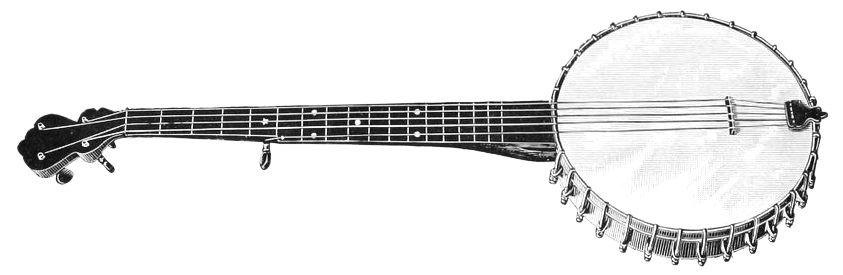
The modern banjo may perhaps be one of the most distinctly American instruments ever created. Despite present day thinking that it is somewhat of a relic of the past, its popularity throughout the 19th and 20th centuries cemented it as a hallmark in genres such as folk, country, and of course, bluegrass. I think that these genres are some of the most authentic expressions the American spirit.
A Brief History
Until the early 20th century, much of the United States remained rural and agricultural, with the South being especially dependent on farming. Out of this region is where the banjo first found its voice. The original design was a simple string instrument originally brought by African slaves. It was composed of a gourd body with a stretched skin head, and using strings composed of gut or fiber, but by the 1830s, the design was updated and the instrument popularized.
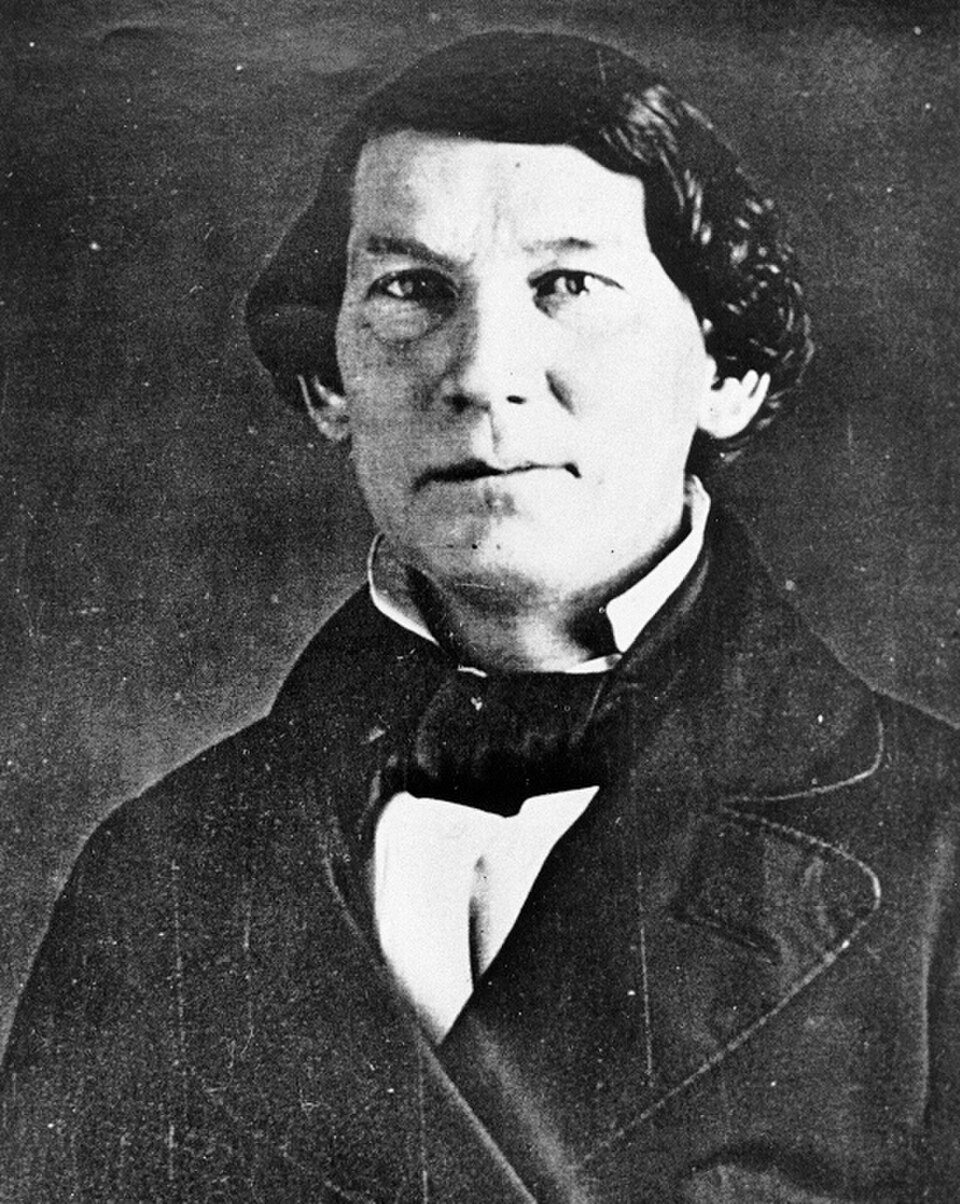
Joel Walker Sweeney is credited with bringing the banjo to modern standards by using construction methods such as wood for the pot rather than a gourd, friction tuning pegs, and also allegedly added a 5th string. Furthermore, popularized the instrument by bringing the banjo to the stage, performing in minstrel shows, and working to introduce it to the middle class.
From this point, the banjo continued its rise in popularity among Americans. Boosted by the Industrial Revolution reducing the cost of instruments, it found its way into parlor music and quickly established itself as a staple of the American home, alongside instruments such as the guitar, piano, and violin. Over time, new features such as frets and resonator designs were introduced, and by the early 20th century, the instrument had become firmly associated with the Appalachian region and its musical traditions.
The Rise of Three-Finger Picking
Through the 1930s and 1940s, country music continued to develop as a popular genre in the United States. Among the musicians contributing to its growth was Bill Monroe, who found great success with his band, "The Blue Grass Boys." Earl Scruggs, a banjo player from North Carolina, found himself in the limelight after joining Monroe's band with his innovative three-finger picking technique. Earl later left Monroe's band to star this own with Lester Flatt called "The Foggy Mountain Boys."
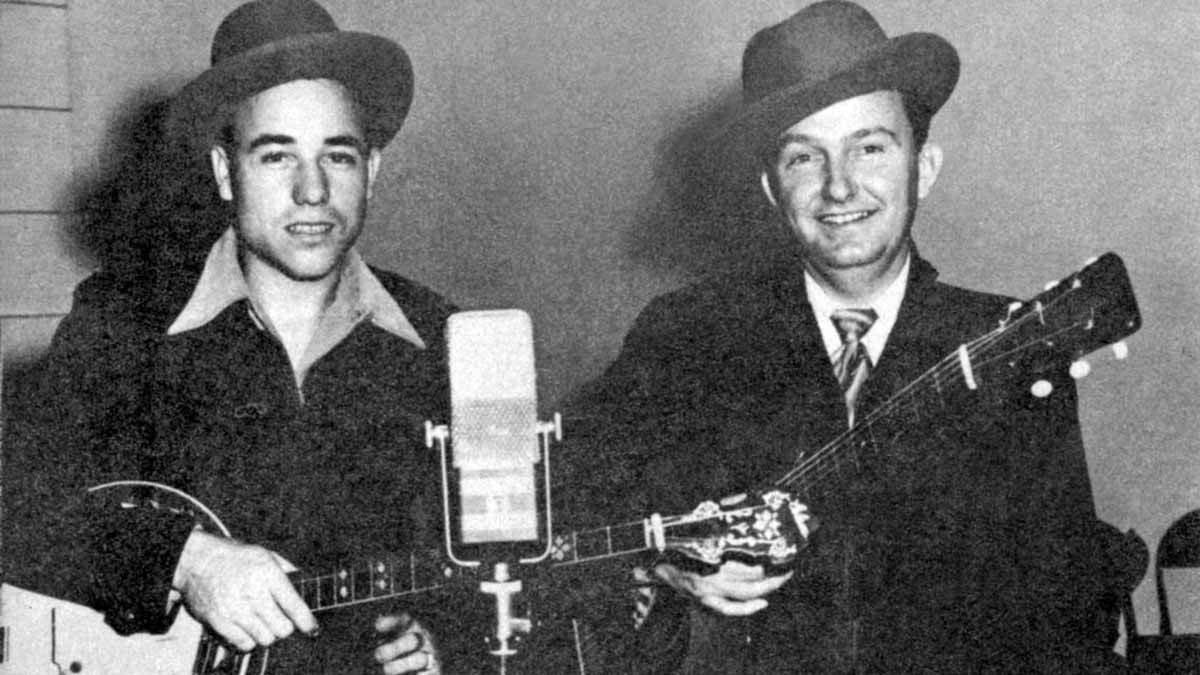
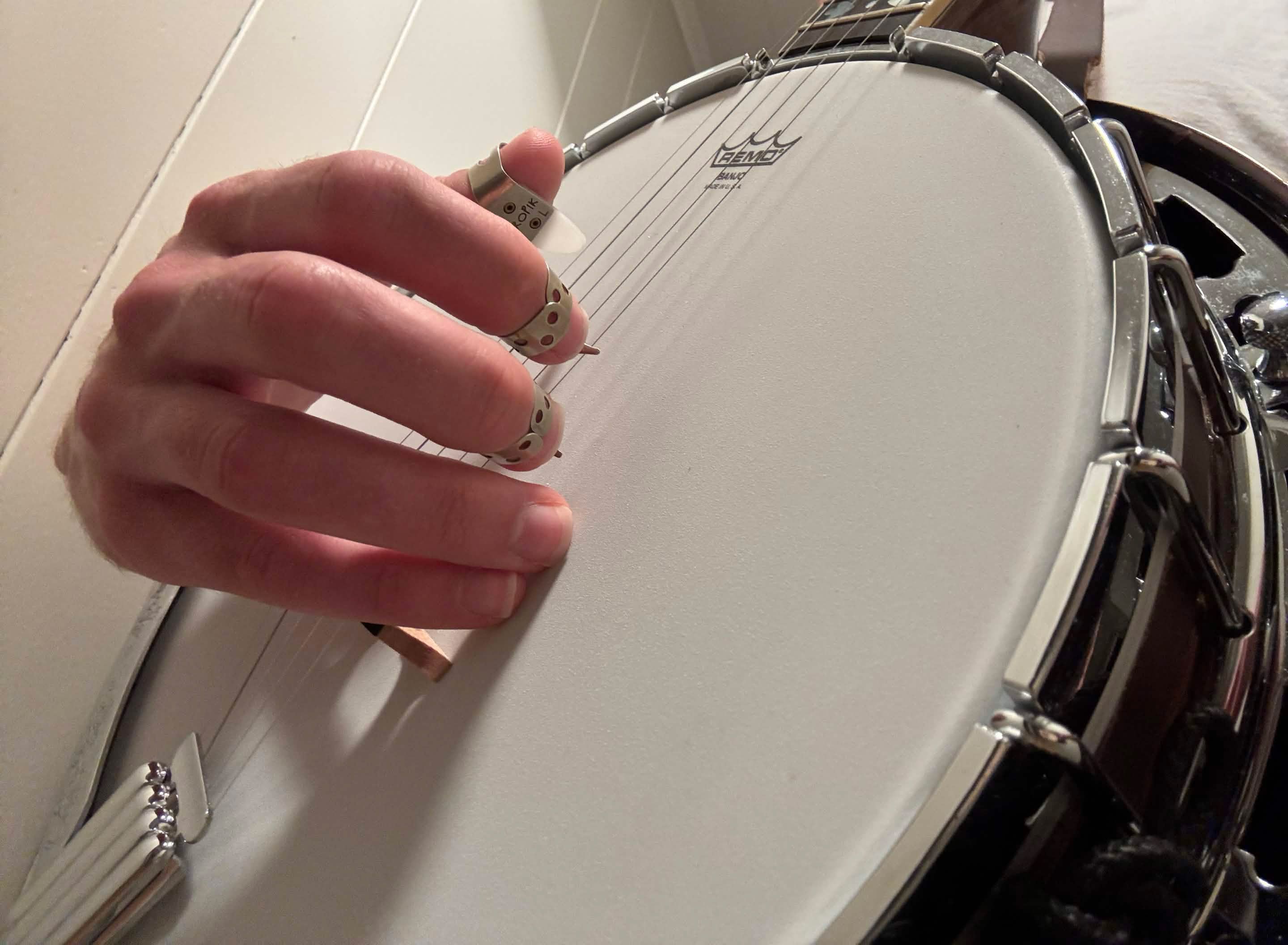
Three-finger picking is this technique that gives bluegrass banjo its fast-paced, rolling, twinkling sound. Popularized by Scruggs, this style of banjo playing, commmonly referred to as "Scruggs style," is now characteristic of bluegrass music and remains one of the most popular banjo-playing styles, alongside "clawhammer," which is typically associated with old-time music.
Through the history of bluegrass, many pickers have risen, developing unique sounds and styles using three-finger picking. Musicians such as John Hartford, J.D. Crowe, Ralph Stanley, and Bill Keith have all contributed greatly to the legacy of the banjo. From Hartford and Keith's melodic approaches to Crowe's strong, driving rhythm, the banjo continued to evolve throughout the 20th century, with many distinct playing styles emerging along the way.